Waking Up With a Dry Mouth? Your Nose May Be Part of the Problem
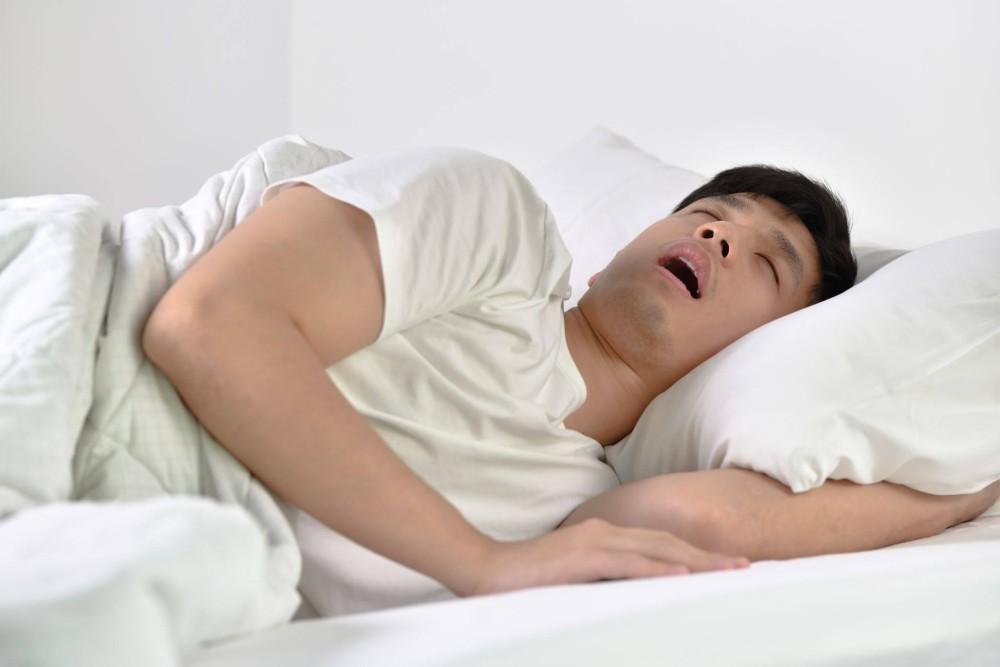
You wake up with a dry mouth, scratchy throat, or that unpleasant feeling that you spent the night breathing through your mouth.
It may be more than just needing a glass of water.
We already know the many negative effects that sleep apnea has on our bodies. Recent studies have shown a significant link between apnea and heart disease and stroke. According to a panel of experts at Optometry’s Meeting, we can add glaucoma to that list, as well.
Eric Schmidt, OD, was part of the panel discussion on glaucoma. He said that apnea “creates changes in oxygenation and circulatory, hemodynamic and inflammatory factors. It sets up repeated bouts of apoxia throughout the night. Hypo-oxygenation of blood and sympathetic vasoconstriction may lead to optic nerve hypoxia.”
Past studies have shown that 33% of apnea patients are diagnosed with glaucoma, but some experts liken this statistic to the chicken or the egg scenario: Does sleep apnea cause glaucoma, or is the apnea brought on by the vasoocclusive disorder?
“The conclusion was that obstructive sleep apnea may be a modifiable risk factor for glaucoma,” he said. “It was recommended that all patients with sleep apnea be screened for glaucoma.”
Joseph Sowka, OD, also a panel member, said, “For those patients with glaucoma who are failing and should be doing well, look at the possibility of sleep apnea.”
Ramie Tritt, M.D., President, Atlanta ENT