
Waking Up With a Dry Mouth? Your Nose May Be Part of the Problem
You wake up with a dry mouth, scratchy throat, or that unpleasant feeling that you spent the night breathing through your mouth.
It may be more than just needing a glass of water.
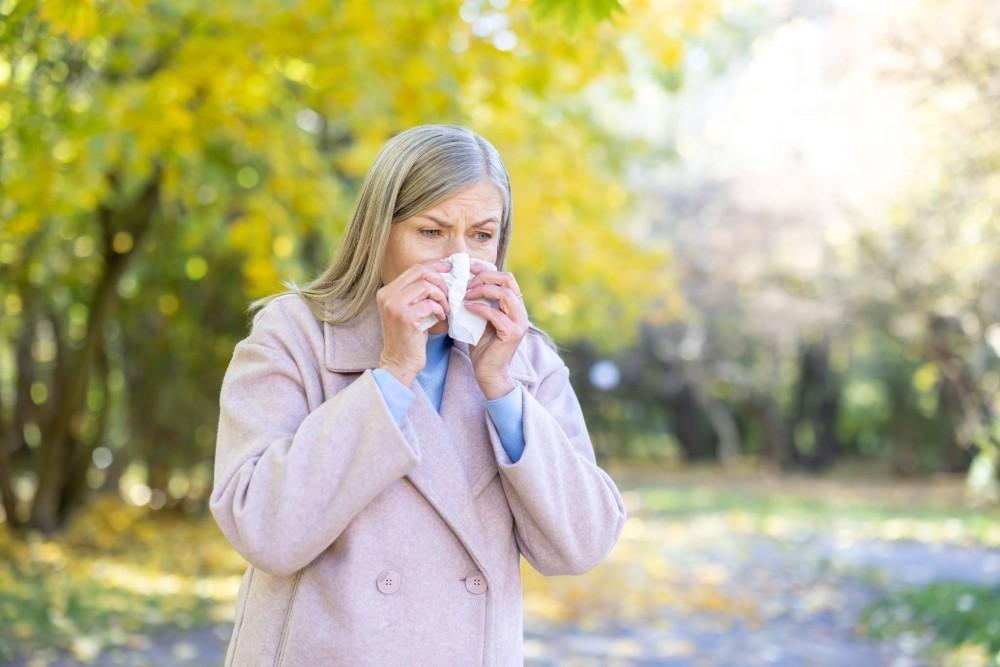
October can bring cooler temperatures, changing weather, and plenty of time spent indoors. For people with allergies, asthma, or other breathing concerns, those seasonal changes may also bring more noticeable symptoms.
You may find yourself coughing more, feeling short of breath, wheezing, or experiencing increased nasal congestion. But what is actually triggering these changes?
Several environmental factors can affect breathing symptoms during the fall, including:
Seasonal allergens: Ragweed and other outdoor allergens can continue affecting people into the fall. Allergy symptoms may include congestion, runny nose, sneezing, and postnasal drip.
Changing temperatures: Moving between cool outdoor air and heated indoor spaces can sometimes irritate the airways or make existing symptoms more noticeable.
Indoor allergens: As temperatures drop, people often spend more time indoors. Dust, dust mites, pet dander, and other indoor allergens may become more noticeable when windows are closed and indoor air circulation changes.
Respiratory illnesses: Colds and other respiratory infections become more common as people spend more time indoors and return to school and work routines. For some people, an illness can also make existing breathing symptoms harder to manage.
It can be helpful to notice when your symptoms appear or become worse. Do they happen after spending time outdoors? When cleaning your home? At night? After a change in temperature?
Recognizing patterns can provide useful information when discussing your symptoms with a healthcare professional.
If you have asthma or recurring allergy symptoms, don't assume that worsening symptoms are simply something you have to tolerate every fall. Identifying possible triggers and addressing the underlying cause can be an important part of managing your breathing.
If coughing, wheezing, shortness of breath, nasal congestion, or other breathing symptoms are persistent or interfering with your daily activities, an evaluation may help determine what is contributing to them.
Allergies, asthma, chronic rhinitis, and nasal obstruction can all present with breathing-related symptoms, and the appropriate treatment depends on the underlying cause.
Seasonal changes can affect more than the weather. If you notice that your breathing or allergy symptoms become more difficult to manage every October, it may be worth looking beyond the season itself and identifying what is triggering your symptoms.
If you are experiencing recurring allergies, asthma symptoms, nasal congestion, or difficulty breathing, Atlanta ENT, Sinus & Allergy Associates, P.C. can evaluate your symptoms and discuss appropriate treatment options. Call 404-891-6576 to schedule an appointment.