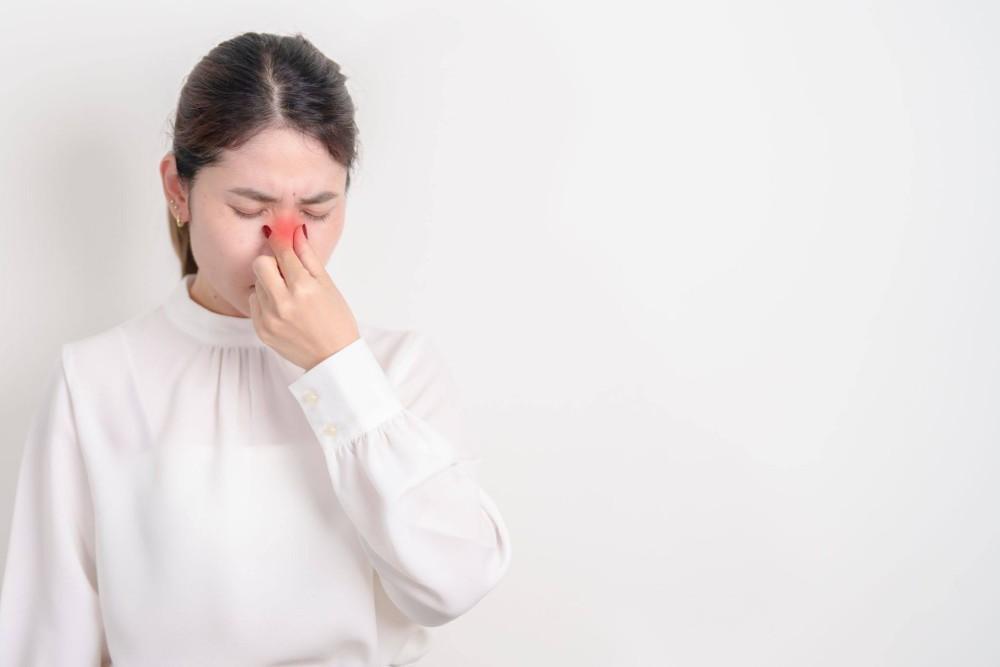
Thanksgiving is a time to enjoy the aromas of roasted turkey, fresh-baked pies, and favorite holiday dishes. But what happens when you can barely smell what's cooking? A reduced or lost sense of smell can affect how you experience food and may sometimes signal an underlying health condition.
Changes in smell can occur for several reasons, including nasal inflammation, allergies, sinus problems, and respiratory infections. Understanding the possible causes can help you recognize when it's time to seek evaluation from an ear, nose, and throat (ENT) specialist.
Why Is Your Sense of Smell Important?
Your sense of smell helps you enjoy food, recognize familiar scents, and detect potential hazards such as smoke or spoiled food. It also contributes significantly to flavor, which is why food may seem bland when your sense of smell is reduced.
Changes in smell may include:
- Hyposmia: A reduced ability to smell.
- Anosmia: A complete loss of smell.
- Parosmia: Smells seem different or distorted from how you remember them.
- Phantosmia: Smelling something that isn't actually present.
These changes can be temporary or persistent, depending on the underlying cause.
Common Causes of Smell Loss
1. Nasal Inflammation and Congestion
Your nose needs to allow odor molecules to reach the sensory receptors responsible for smell. When inflammation or swelling blocks airflow through the nasal passages, odors may not reach these receptors effectively.
Colds, allergies, and other causes of nasal congestion can temporarily reduce your ability to smell.
2. Sinusitis and Nasal Polyps
Chronic sinusitis causes ongoing inflammation in the nasal passages and sinuses. Symptoms may include congestion, facial pressure, drainage, and a reduced sense of smell.
Nasal polyps—soft, noncancerous growths that develop in the lining of the nose or sinuses—can also obstruct airflow and interfere with smell.
3. Respiratory Infections
Viral infections, including COVID-19, can affect the sense of smell. Sometimes smell returns as the infection resolves, but recovery may take longer for some people.
If your sense of smell changes suddenly, consider whether other symptoms are present and seek appropriate medical guidance.
4. Allergies
Allergic rhinitis can cause swelling, congestion, sneezing, and a runny nose. When inflammation interferes with airflow, your ability to detect odors may decrease.
Managing the underlying allergy may help improve nasal symptoms and, in some cases, the sense of smell.
5. Other Medical Conditions and Medications
Smell changes can also be associated with certain medications, head injuries, aging, and neurological conditions. If your symptoms don't have an obvious explanation or persist despite improvement in congestion, a medical evaluation can help identify possible causes.
When Should You See an ENT Specialist?
A temporary reduction in smell during a cold may improve as congestion clears. However, you should consider an evaluation if your sense of smell remains reduced, repeatedly changes, or doesn't return after an illness.
An ENT specialist can review your symptoms, examine your nasal passages, and determine whether sinus inflammation, nasal polyps, or another condition may be responsible.
Evaluation may include a nasal examination, nasal endoscopy, smell testing, or imaging when indicated. Treatment depends on the cause and may include managing allergies, treating nasal inflammation, or addressing underlying sinus conditions.
If your smell changes suddenly after a head injury or alongside neurological symptoms, seek prompt medical attention. Sudden smell loss accompanied by facial weakness, difficulty speaking, or weakness in an arm or leg requires emergency care.
What Can You Do to Support Your Sense of Smell?
Although not every cause of smell loss can be prevented, a few practical steps may help protect your nasal health:
- Manage allergies: Follow an appropriate treatment plan to help control nasal inflammation.
- Avoid irritants: Smoke and harsh chemical fumes can irritate your nasal passages.
- Use saline products appropriately: Saline sprays or rinses may help relieve congestion. For nasal rinses, use distilled, sterile, or previously boiled and cooled water.
- Follow up on persistent symptoms: Don't assume that prolonged smell loss is simply a lingering cold.
- Practice food safety: If your sense of smell is reduced, check expiration dates and food storage carefully rather than relying on smell to determine whether food is safe.
For some people with persistent smell loss after a respiratory infection, supervised smell training may also be recommended by a healthcare professional.
Enjoy the Holidays With Better Nasal Health
Your sense of smell plays an important role in enjoying holiday meals and recognizing everyday scents. If familiar aromas seem weaker, distorted, or completely absent, nasal inflammation or another underlying condition may be contributing.
If you're experiencing persistent smell loss, nasal congestion, or other sinus symptoms, contact Atlanta ENT, Sinus & Allergy Associates, P.C. at 404-891-6576 to schedule an appointment. The office is located at 5555 Peachtree Dunwoody Road, Suite 125, Atlanta, GA 30342. Visit www.atlantaent.com to request an appointment and learn more about available evaluation and treatment options.
Don't let unexplained changes in your sense of smell go unchecked. Getting the right evaluation can help you understand what's happening and determine the next steps toward better nasal health.
Author
 Ramie A. Tritt, MD
, FRCSC, specializes in nasal and sinus surgery as well as snoring and sleep apnea surgery at Atlanta ENT, Sinus & Allergy Associates, P.C.’s Sandy Springs location in Atlanta, Georgia.
Dr. Tritt graduated from medical school with honors from McGill University in Montreal, Canada. He completed his otolaryngology residency at McGill University and his fellowship in otology and head and neck surgery at Upstate Medical Center in Syracuse, New York.
He is a diplomate of the American Board of Otolaryngology and a fellow of the American Academy of Otolaryngology-Head and Neck Surgery, and the Royal College of Physicians and Surgeons of Canada. Dr. Tritt is a member of the Medical Association of Georgia and the American Academy of Otolaryngology-Head and Neck Surgery.
Dr. Tritt has been an instructor at national ENT meetings, a Medical Advisory Board member for computer image-guided sinus surgery, and been recognized by Atlanta Magazine as a “Doctor Who Doctors Go To”.